

Every parent of a child with autism knows the feeling: a calm afternoon suddenly turns into a meltdown, and you are left wondering what happened and what to do next. Challenging behaviors are exhausting, but they are also a form of communication. When you learn to read what your child is telling you, managing challenging behaviors in autism becomes far less overwhelming and much more hopeful.
The strategies below come from Applied Behavior Analysis (ABA), the same evidence-based approach our team uses with families across Aventura and South Florida. You do not need to be a therapist to start using them at home today.
Start by Understanding Why the Behavior Happens
In ABA, behaviors are not random. Each one serves a purpose, often called its “function.” Most behaviors happen for one of four reasons:
- To get something — a toy, a snack, or your attention
- To escape or avoid — a task, a transition, or a noisy room
- To gain sensory input — movement, pressure, or a certain sound
- To get attention — even a frustrated reaction can feel rewarding
Try keeping a simple notebook for a week. Jot down what happened right before the behavior, the behavior itself, and what happened right after. Patterns often appear quickly, and once you know the “why,” you can respond in a way that actually helps.
Prevent Behaviors Before They Start
Some of the most effective ABA strategies happen long before a difficult moment. These are called antecedent strategies, and they focus on setting your child up for success.
Build predictable routines
Children with autism often feel calmer when they know what comes next. Consistent routines for mornings, meals, and bedtime reduce the uncertainty that can trigger stress.
Use visual schedules
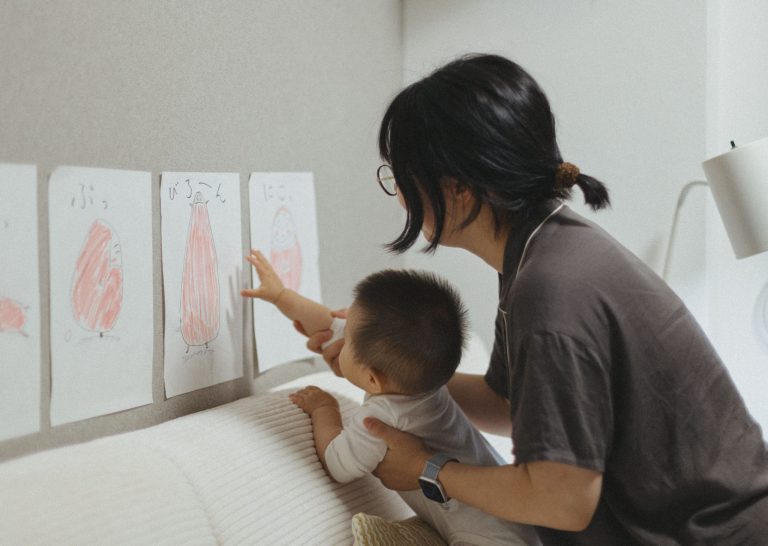
A simple chart with pictures showing the order of the day helps your child anticipate transitions. Seeing that “bath” comes before “story” can prevent the resistance that surprises often cause.
Offer choices
When a child feels some control, cooperation improves. Instead of “Put on your shoes,” try “Do you want the blue shoes or the red ones?” You still reach the goal, but your child feels heard.
Adjust the environment
Bright lights, loud sounds, or a cluttered space can quietly build frustration. Small changes, like dimming lights or creating a quiet corner, can prevent behaviors before they begin.
Teach and Reinforce Replacement Behaviors
If a behavior is helping your child meet a need, the goal is not simply to stop it. The goal is to teach a better way to meet that same need. This is where lasting change happens.
For example, if your child screams to get a snack, you can teach them to point to a picture, use a word, or hand you a card instead. This is called functional communication, and it gives your child a tool that works better than the challenging behavior ever did.
When your child uses the new skill, respond right away. The faster and more reliably the replacement behavior gets results, the quicker it replaces the old one.
Use Positive Reinforcement Consistently
Positive reinforcement means adding something your child enjoys right after a behavior you want to see again. It is the engine that drives progress in ABA.
- Notice and praise the good moments, even small ones
- Be specific: “I love how you asked for help!”
- Reinforce quickly, while the behavior is fresh
- Find what truly motivates your child, whether that is praise, a favorite activity, or extra playtime
Reinforcement is not bribery. It is the same reason adults show up to work and children practice a sport they love. When good behavior pays off, it grows.
Stay Calm and Consistent Across Caregivers
Your calm is contagious. When a behavior escalates, a steady, quiet voice helps your child regulate far more than raised tension does. Take a breath, keep your response simple, and avoid long explanations in the heat of the moment.
Consistency matters just as much. When parents, grandparents, and caregivers all respond to the same behavior in the same way, your child learns the rules faster and tests them less. It helps to agree on a shared plan so everyone is on the same page, whether at home in South Florida or visiting family for the weekend.
Know When to Reach Out for Professional Support
These strategies can make a real difference, but you do not have to navigate challenging behaviors alone. A Board Certified Behavior Analyst (BCBA) can observe your child, identify the function behind specific behaviors, and build an individualized plan tailored to your family.
Consider reaching out for professional support if behaviors are intense, frequent, involve safety concerns, or simply feel bigger than what you can manage at home. Early, personalized help often leads to faster progress and less stress for everyone. Our ABA therapy services include in-home and telehealth support led by experienced BCBAs who partner closely with parents.
You Are Not Doing This Alone
Managing challenging behaviors in autism is a journey, not a single fix. Progress comes from understanding, patience, and consistent small steps, and every family moves at its own pace. Give yourself grace on the hard days, and celebrate the wins when they come.
If you would like guidance tailored to your child, our team at Guiding Star Therapy is here to help families throughout Aventura and South Florida. Call us at 954-383-4315 or contact us to learn how we can support your family at home.